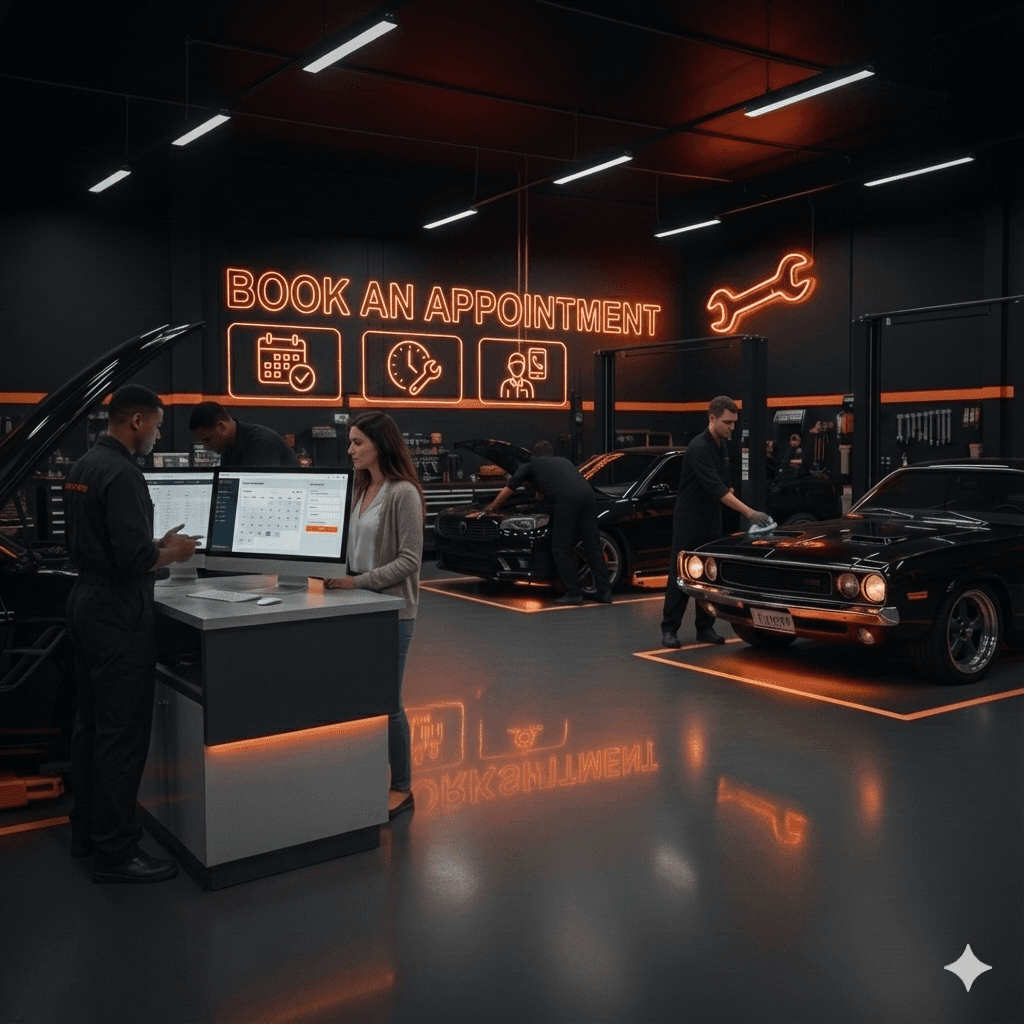
Professional Steering System Repair Services in Dubai
Your steering system is your direct connection to the road — translating your inputs into precise vehicle control. When steering components wear or fail, you feel it immediately: vague response, excessive play, strange noises, or the frightening sensation of your vehicle not going where you point it. At Al Satwa Trading LLC, our steering specialists restore the crisp, responsive control your vehicle was designed to deliver.
We service all steering system types including traditional hydraulic power steering, modern electric power steering (EPS), and conventional manual steering systems. From common repairs like tie rod replacement and power steering pump service to complex work including steering rack rebuilds and EPS module diagnosis, our technicians have the expertise and equipment to handle it all. We work on all vehicle makes — European luxury brands (Mercedes, BMW, Audi, Porsche), Japanese vehicles (Toyota, Lexus, Nissan, Honda), American cars, SUVs, and trucks.
Steering problems are never something to ignore — this is a critical safety system that deserves immediate attention. Whether you're experiencing difficult steering, unusual noises, fluid leaks, or warning lights, our systematic diagnosis identifies the exact problem. We use quality OEM and premium aftermarket components, and every steering repair includes proper wheel alignment to ensure safe handling and even tire wear. Trust your steering to the experts.
Master Technitians
Expert diagnostics & repairs for all makes
Our Car Steering Repair
Steering System Diagnosis
Comprehensive inspection and diagnosis of steering problems including play, noise, and handling issues.
Power Steering Pump Repair
Hydraulic power steering pump diagnosis, rebuild, and replacement for effortless steering assistance.
Steering Rack Repair & Replacement
Steering rack and pinion diagnosis, seal replacement, rebuild, and complete unit replacement.
Electric Power Steering (EPS) Service
Electric power steering motor, control module, and sensor diagnosis and repair.
Tie Rod End Replacement
Inner and outer tie rod end inspection, replacement, and adjustment for precise steering response.
Steering Column Repair
Steering column bearing, universal joint, and telescopic/tilt mechanism repair and replacement.
Steering Gearbox Service
Recirculating ball steering gearbox adjustment, rebuild, and replacement for trucks and older vehicles.
Power Steering Fluid Service
Power steering fluid flush, leak repair, and contaminated fluid replacement.
Steering Hose & Line Repair
High-pressure and return hose inspection, repair, and replacement to stop leaks.
Steering Wheel & Airbag Service
Steering wheel replacement, clock spring repair, and steering angle sensor calibration.
Steering Intermediate Shaft
Intermediate shaft, U-joint, and flexible coupling repair for smooth steering feel.
Idler Arm & Pitman Arm
Steering linkage component replacement for proper steering geometry on conventional systems.
Wheel Alignment
Precision computerized wheel alignment after steering repairs to ensure proper handling and tire wear.
4-Wheel Steering Service
Rear-wheel steering system diagnosis, actuator repair, and electronic control module service.
Steering Angle Sensor Calibration
Electronic steering angle sensor reset and calibration for proper stability control function.
Why Choose New Habib Garage for Car Steering Repair?
Steering System Experts
Our technicians specialize in all steering system types — from traditional hydraulic power steering to modern electric power steering (EPS) and advanced steer-by-wire systems. We understand the complexities of each technology.
Advanced Diagnostic Equipment
We use manufacturer-level diagnostic tools to accurately diagnose electric power steering faults, steering angle sensor issues, and electronic control problems that generic scanners miss.
Quality OEM & Aftermarket Parts
We source steering components from trusted suppliers including genuine OEM parts, and premium aftermarket brands like Moog, TRW, Lemförder, and ZF for reliable, long-lasting repairs.
Complete System Inspection
We don't just fix the obvious problem — we inspect the entire steering system to identify worn components, potential failures, and related issues for comprehensive repair.
Alignment Always Included
Steering repairs affect wheel alignment. We include alignment checks with every steering repair and provide proper alignment service to ensure safe handling and even tire wear.
Safety-Focused Repairs
Steering is critical for vehicle safety. We never cut corners — every repair is performed to the highest standards and thoroughly tested before returning your vehicle.
Frequently Asked Questions About Car Steering Repair
Watch for these warning signs: Difficulty turning the wheel — requires excessive effort, especially at low speeds. Steering wheel vibration — shaking or wobbling through the wheel. Wandering or drifting — vehicle doesn't track straight, pulls to one side. Loose or vague steering — excessive play before wheels respond. Steering wheel off-center — wheel is crooked when driving straight. Unusual noises — groaning, whining, squealing, or clunking when turning. Fluid leaks — puddles of power steering fluid under the vehicle. Warning lights — power steering or EPS warning light on dashboard. Steering wheel doesn't return — doesn't self-center after turns. If you notice any of these symptoms, have your steering inspected immediately — it's a critical safety system.
Power steering noise usually indicates: Whining or groaning when turning: Low power steering fluid — check for leaks and top up. Air in the system — may need bleeding after repair. Worn power steering pump — internal wear causing noise. Contaminated fluid — old, dirty fluid straining the pump. Squealing at startup or when turning: Loose or worn drive belt — needs adjustment or replacement. Failing pump bearings — pump may need replacement. Clunking or knocking: Worn steering components — tie rods, ball joints, or rack mounts. Loose steering column — worn U-joints or bearings. Don't ignore steering noises — they typically worsen and can indicate imminent failure. Diagnosis is key to proper repair.
Hydraulic Power Steering (HPS): Uses a belt-driven pump to pressurize fluid. Fluid pressure assists steering through the rack. Consistent feel but uses engine power constantly. Requires fluid maintenance and leak repairs. Common in older vehicles and trucks. Electric Power Steering (EPS): Uses an electric motor for steering assist. Motor mounted on steering column or rack. Only uses power when steering, improving fuel economy. No fluid — fewer maintenance requirements. Computer-controlled for variable assist. Common in modern vehicles. EPS systems require specialized diagnosis for electrical/electronic faults but eliminate hydraulic leak concerns. We service both types expertly.
Steering component lifespan varies by part and conditions: Power steering pump: 150,000-200,000+ km. Steering rack: 150,000-250,000 km. Tie rod ends: 100,000-150,000 km. Power steering hoses: 100,000-150,000 km (rubber degrades over time). Power steering fluid: Should be flushed every 50,000-80,000 km. Steering column components: Often last vehicle lifetime unless damaged. EPS motor/module: Typically 200,000+ km. Dubai's heat accelerates rubber and seal deterioration. Road conditions, driving style, and maintenance history all affect longevity. Regular inspection catches wear before failure.
Steering rack leaks can sometimes be repaired: Minor seal leaks: Rack seal kits can replace worn seals, often fixing external leaks at lower cost than replacement. Internal leaks: If the rack has internal seal failure, rebuild may be possible depending on condition. Severe damage: If the rack housing is worn, scored, or corroded internally, replacement is necessary. Considerations for repair vs. replacement: Labor cost — rack removal is the same for repair or replacement. Parts availability — quality seal kits aren't available for all racks. Long-term reliability — rebuilt racks may not last as long as new/remanufactured. Cost difference — sometimes replacement is only marginally more expensive. We assess your specific rack and provide honest recommendations on the most cost-effective solution.
Steering pull has several potential causes: Alignment issues (most common): Uneven camber, caster, or toe settings. Tire problems: Uneven tire pressure (check this first!), uneven tire wear, tire conicity (manufacturing defect), mismatched tires side-to-side. Brake issues: Sticking caliper causing drag on one side. Suspension problems: Worn control arm bushings, bent suspension components, broken springs. Steering components: Worn tie rods affecting alignment, steering rack issues. Road conditions: Crowned roads cause slight pull — this is normal. After accident: Frame or suspension damage. Proper diagnosis is essential — we check alignment, tire condition, brakes, and steering components to identify the actual cause.
The steering angle sensor tells the vehicle's stability control system the position of the steering wheel. Calibration is needed: After wheel alignment — sensor needs to learn new straight-ahead position. After steering component replacement — tie rods, rack, column work. After battery disconnect — some systems lose calibration. When warning lights appear — stability control, traction control, or EPS lights. After accident/collision repair — even minor impacts can affect calibration. Symptoms of miscalibration: Stability control activating unexpectedly, off-center steering wheel, warning lights on dashboard. Calibration requires diagnostic equipment to reset the sensor to recognize the straight-ahead position. We include this service with relevant repairs.
Steering repair costs vary by component and vehicle type: Power steering fluid flush: AED 150-300. Tie rod end (each): AED 200-500. Power steering pump: AED 800-2,500. Power steering hose: AED 300-800. Steering rack (replacement): AED 2,000-6,000. Steering rack (rebuild/reseal): AED 1,500-3,500. Steering column repair: AED 500-2,000. EPS motor replacement: AED 2,000-5,000. Steering angle calibration: AED 150-300. Wheel alignment: AED 200-400. European and luxury vehicles typically cost more due to complex systems and premium parts. We provide detailed estimates after diagnosis so you know exactly what to expect.
Driving with steering problems ranges from inadvisable to dangerous: Minor issues (proceed with caution): Slight off-center steering wheel, minor noise at full lock, slow power steering leak. Get inspected soon but not emergency. Moderate issues (drive minimally): Noticeable steering play, consistent noise when turning, low power steering fluid, slight pulling. Drive only if necessary, get repaired promptly. Serious issues (do not drive): Significant steering play or looseness, complete power steering failure, severe leak with fluid very low, grinding/clunking from steering components, steering wheel doesn't respond properly. Your steering system is directly responsible for vehicle control. When in doubt, don't drive — have the vehicle towed or inspected before driving. The risk of steering failure while driving is severe.
Alignment is required after most steering repairs: Always need alignment after: Tie rod end replacement (inner or outer), steering rack replacement, steering gear adjustment, idler arm or pitman arm replacement, any repair that disconnects steering linkage. Usually don't need alignment after: Power steering pump replacement, power steering hose replacement, steering column repairs, power steering fluid service, EPS motor replacement (unless rack was disturbed). Even when not strictly required, we recommend alignment check after any steering work to verify proper geometry. Improper alignment causes: Uneven tire wear (expensive), pulling to one side, steering wheel off-center, reduced handling and safety. Alignment is included or recommended with all relevant steering repairs at our shop.
Schedule Your Appointment Today
Your Automotive Repair & Maintenance Service Specialist
Need Immediate Help?
Call us now for quick assistance with your filter change needs.
Call Anytime
+971 56 484 1945
+971 56 484 1945
Working Hours
15+
Years Experience
10K+
Happy Customers
50+
Expert Technicians
100%
Satisfaction Rate
Ready for Your AC Repair?
Book your appointment today and experience the difference of professional car care. Our expert technicians are ready to serve you.